Restoring Vital Habitats for Scotland’s Rarest Dragonflies
We are incredibly proud to announce the completion of our recent conservation works as part of the British Dragonfly Society’s (BDS) “Dragonflies on the Bog” project. Supported by the Scottish Government’s Nature Restoration Fund and managed by NatureScot, this initiative aims to protect and future-proof the habitats of some of Britain’s rarest and most threatened dragonfly species.
Scotland is home to a unique assemblage of rare dragonflies, including the Azure Hawker, Northern Emerald, and White-faced Darter—all of which are now classed as Endangered.
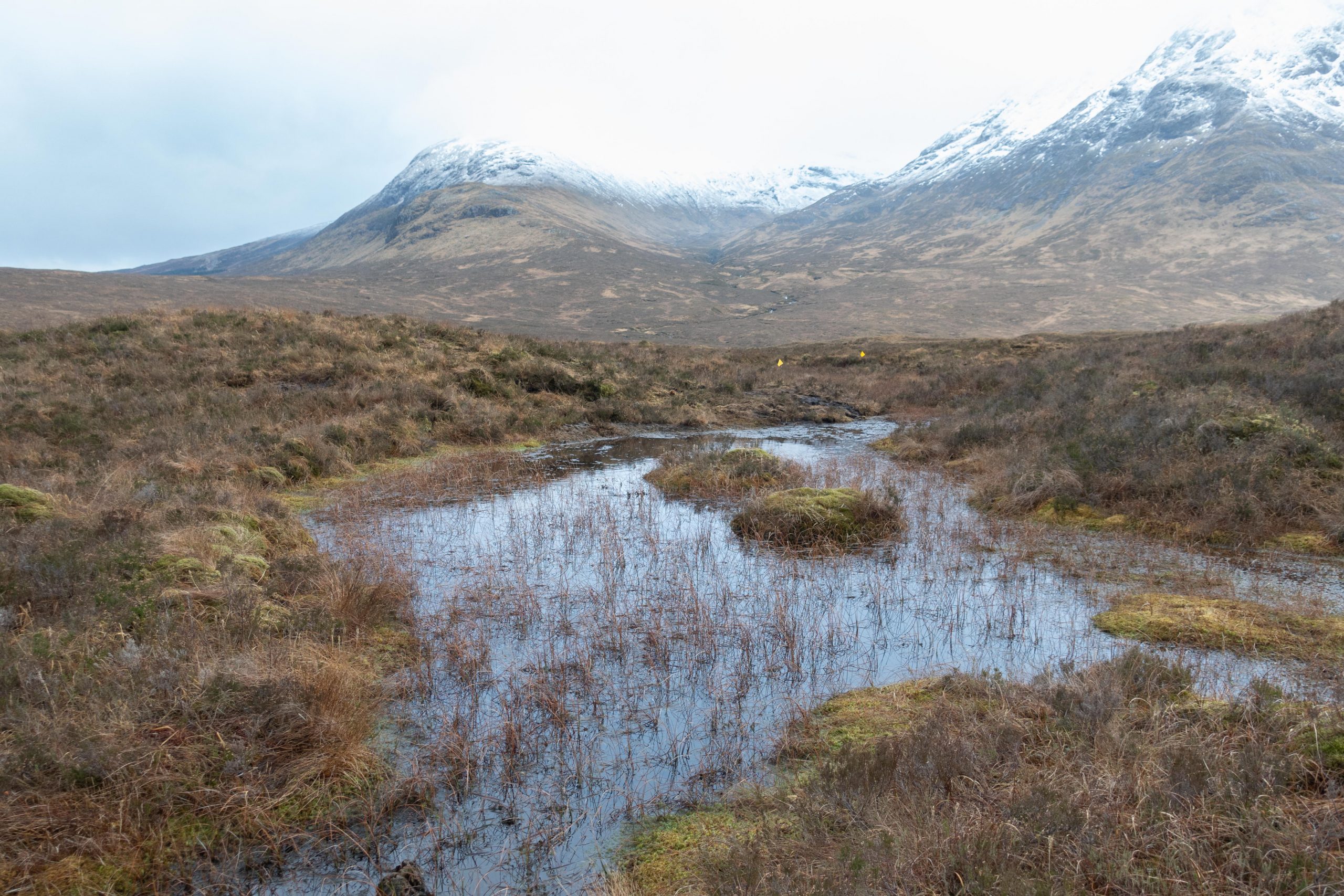
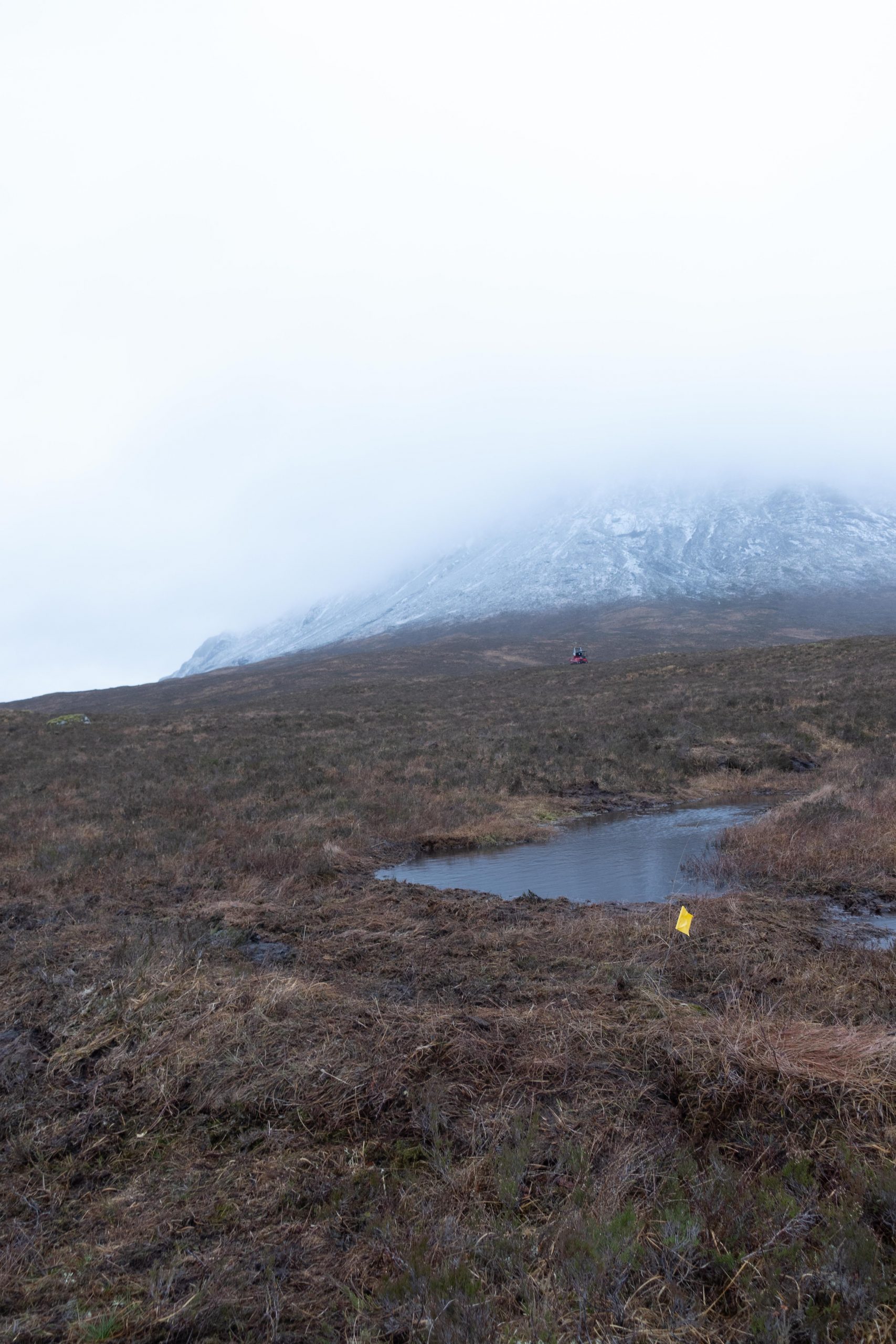
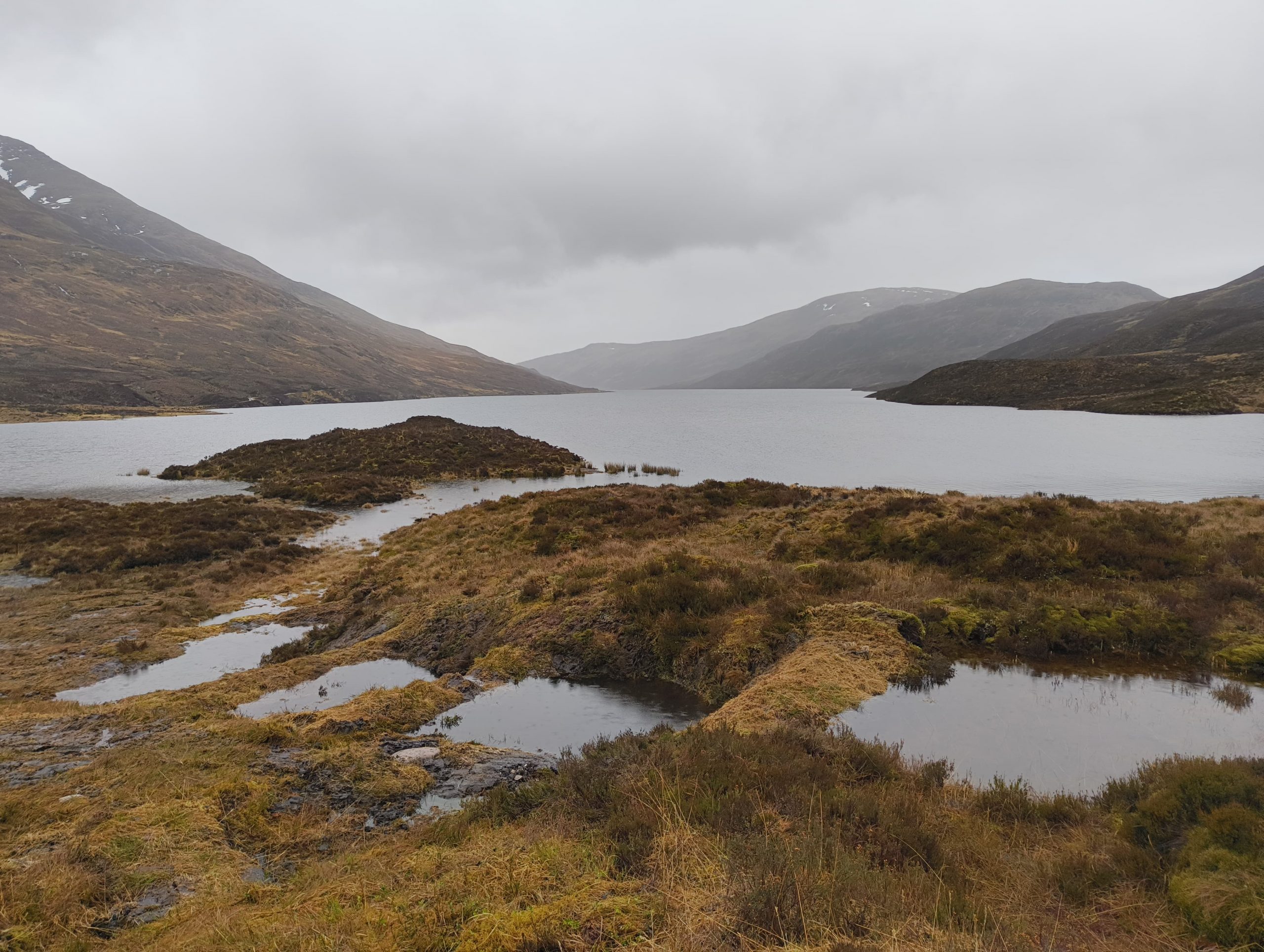
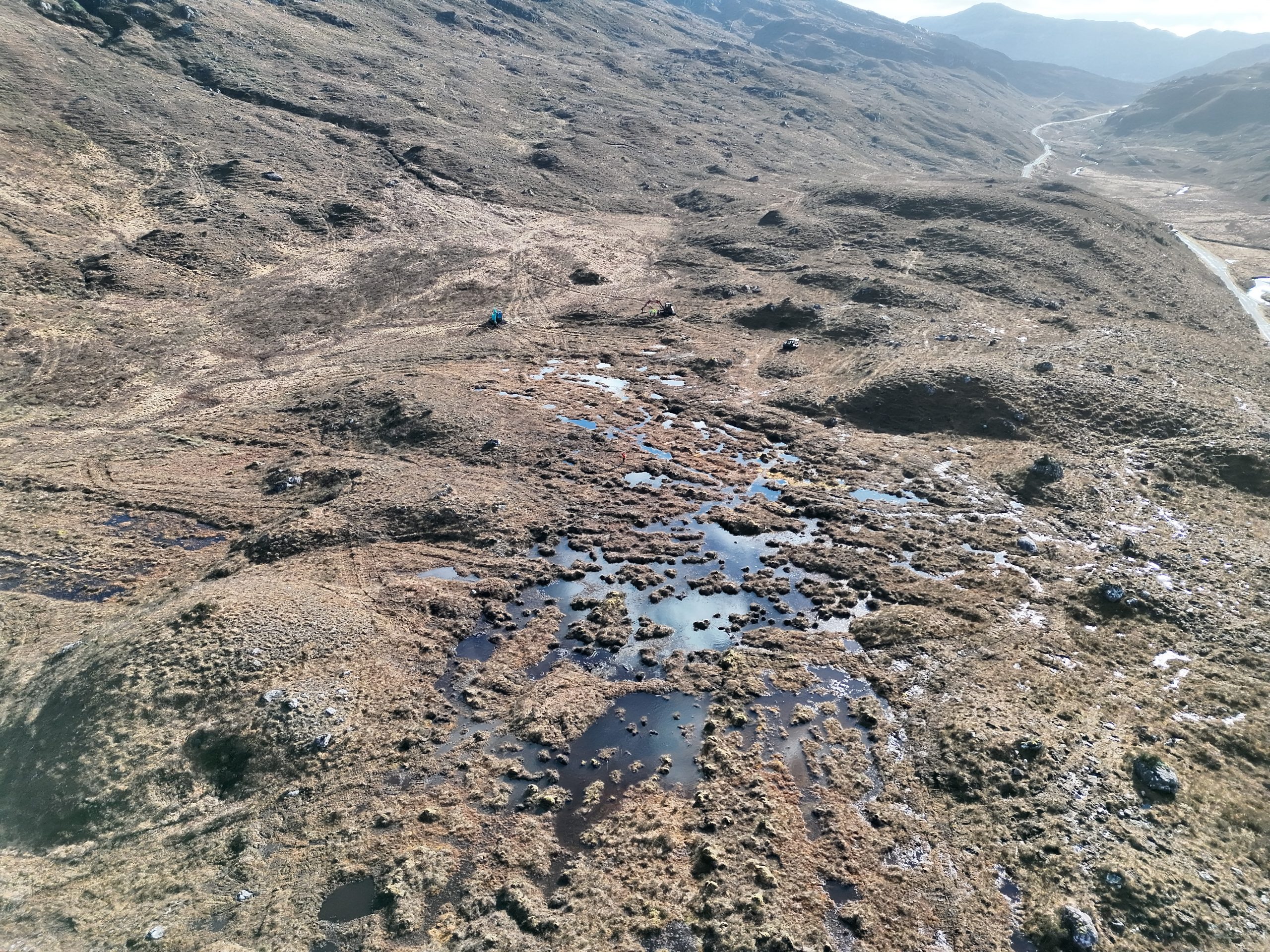
These species rely heavily on fragile bog pool habitats. However, climate change and increasingly extreme weather conditions, particularly summer droughts, are drying out these vital environments. Because a dragonfly can spend up to five years living underwater as a larva before emerging as an adult, permanent, year-round water is absolutely essential for their survival.
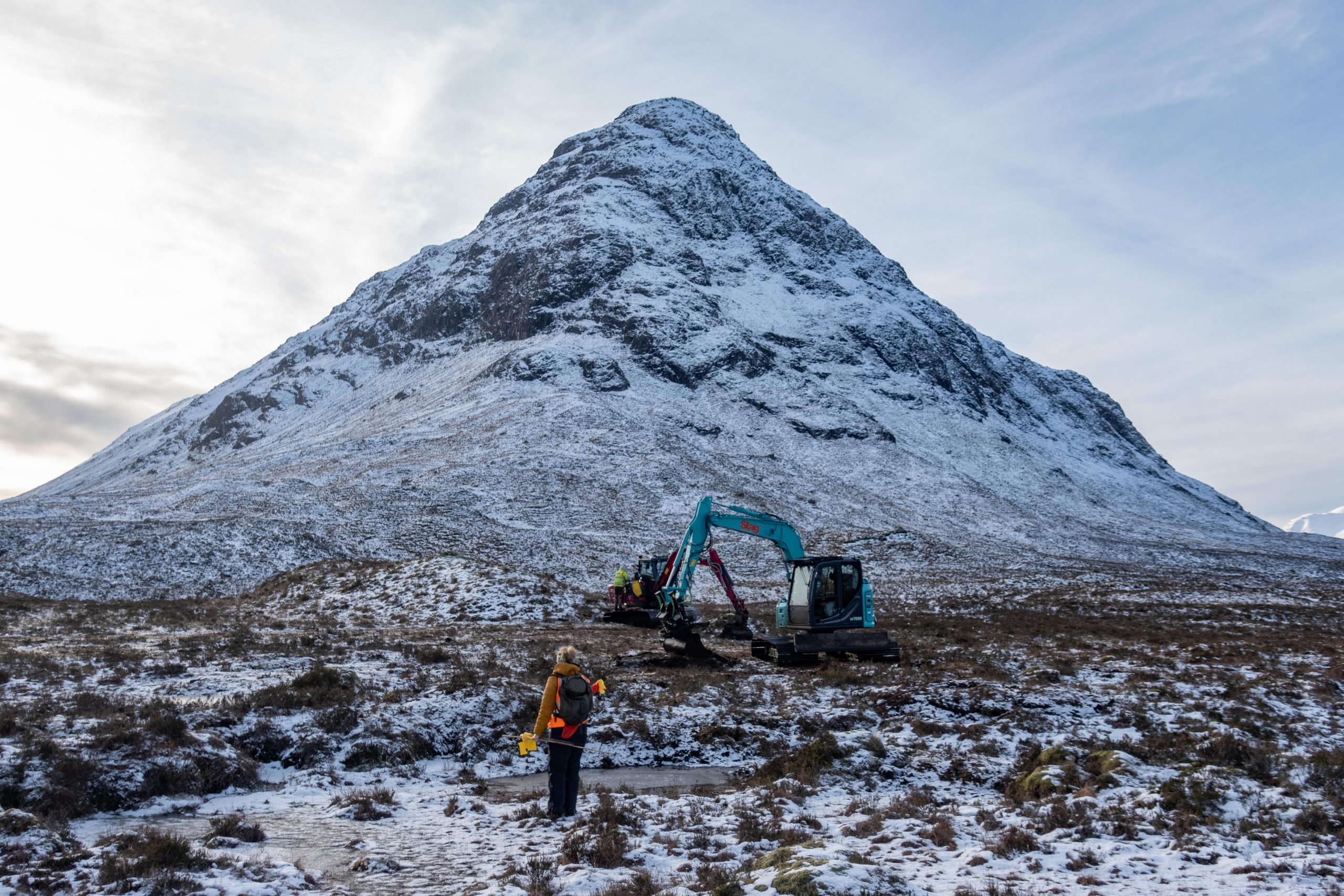
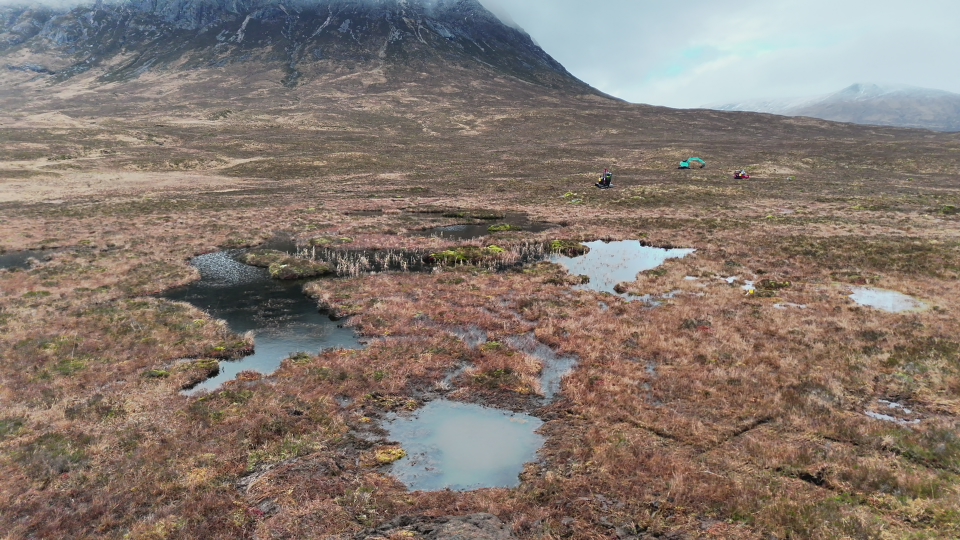
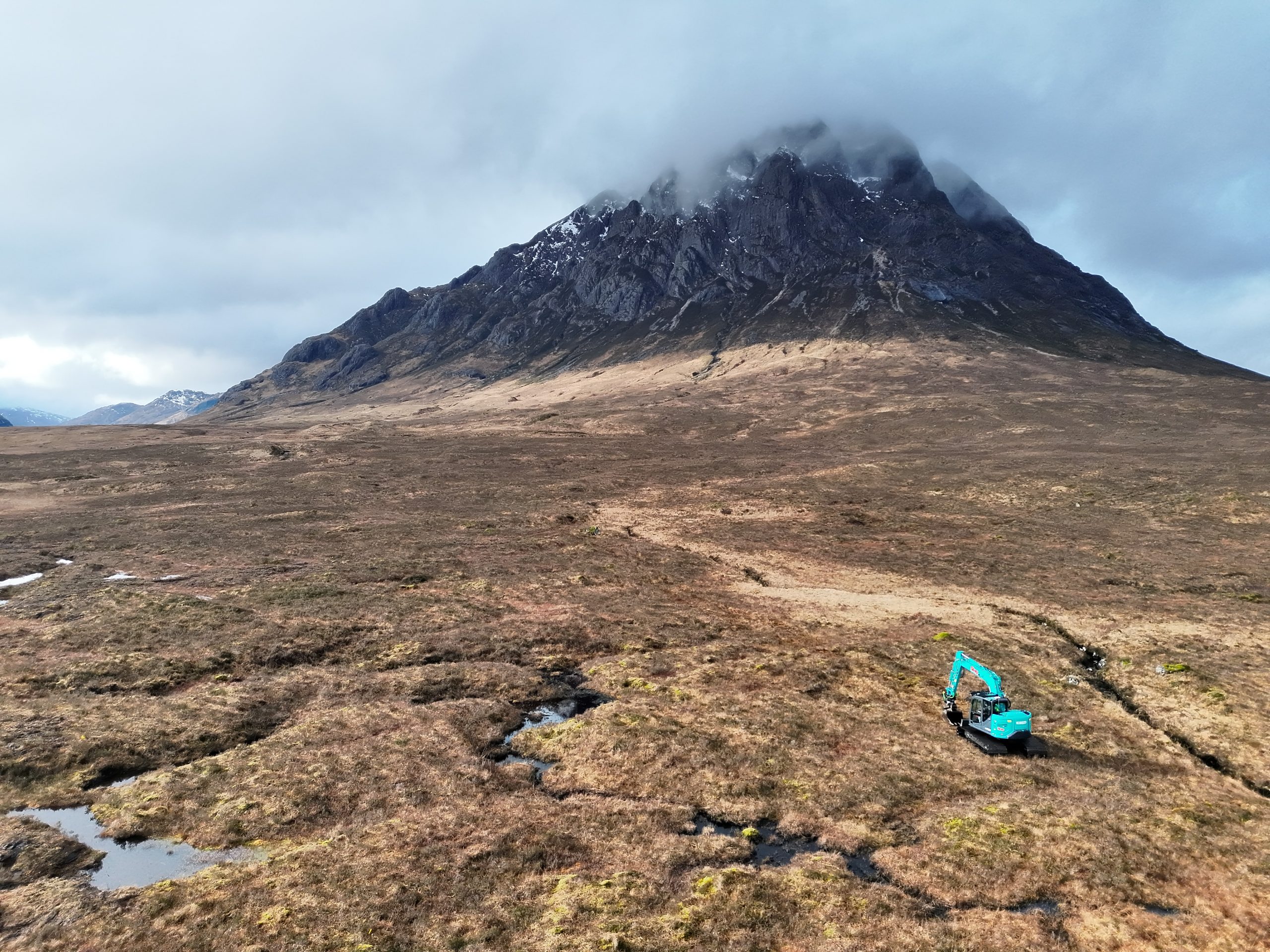
Our team carried out works across four spectacular but ecologically delicate locations: Glencoe, Glen Etive, Loch Eilde Mor, and Glen Shieldaig.
A big thank you to the landowners—National Trust for Scotland Glencoe, Jahama Estates, and Woodland Trust—for hosting these vital works on their grounds and supporting the conservation efforts!
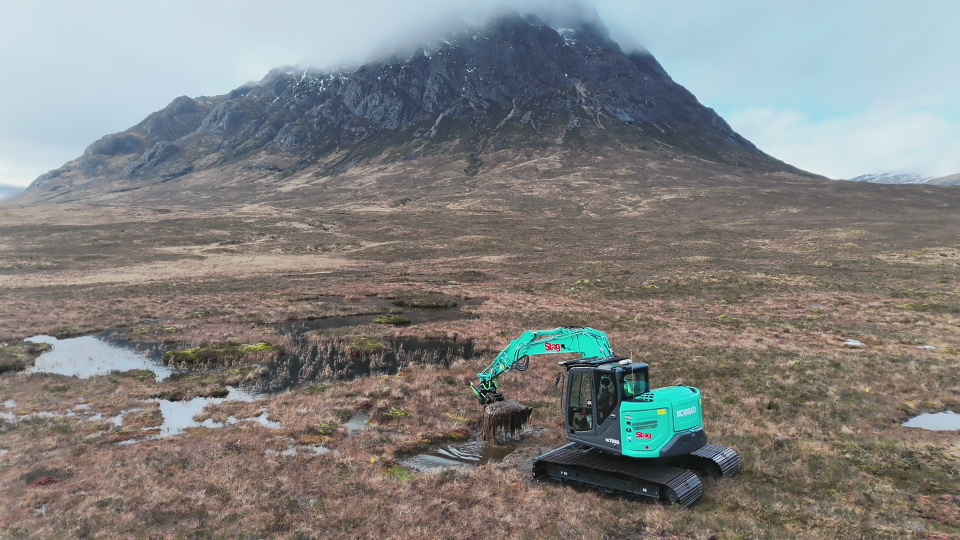
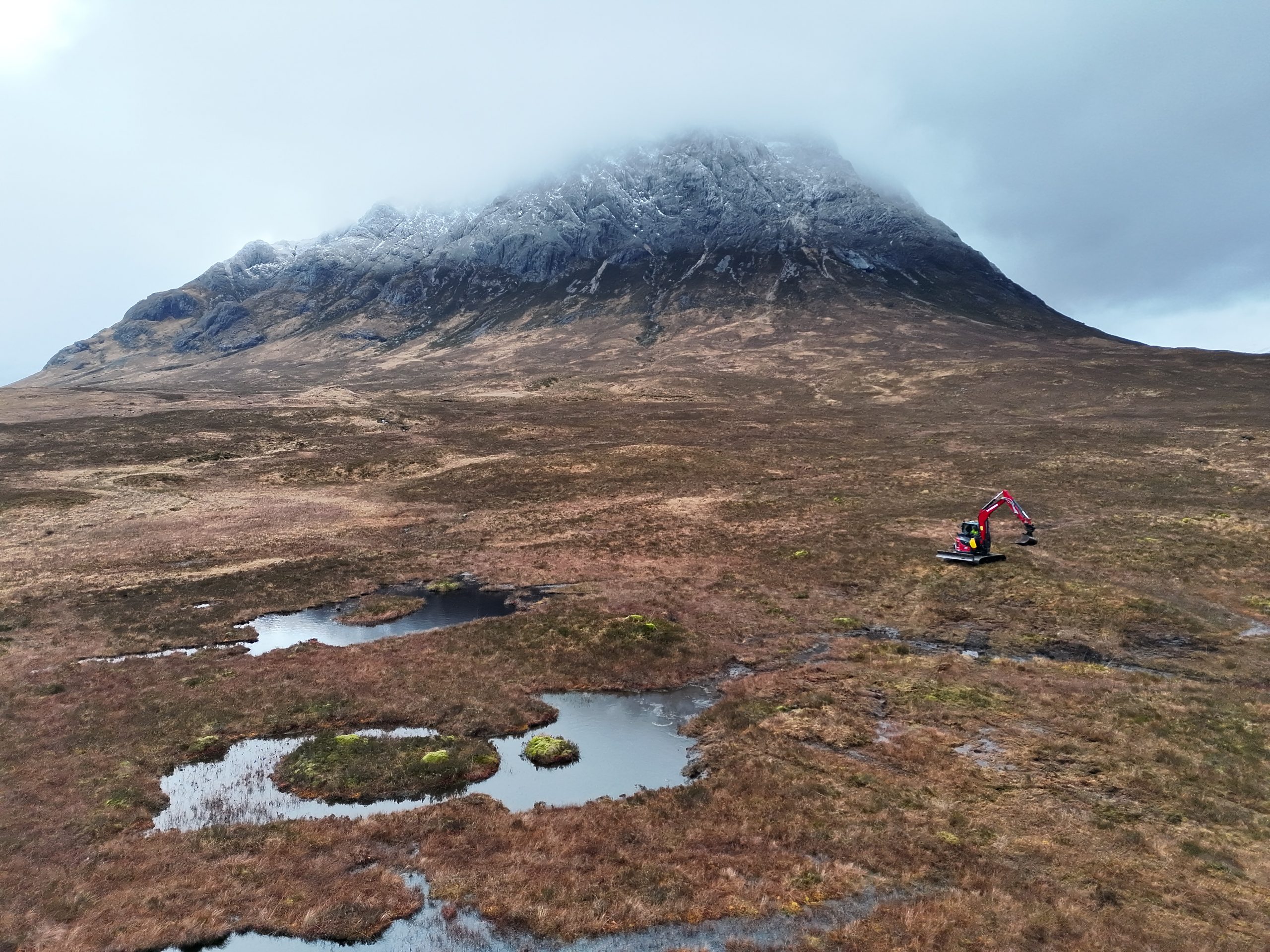
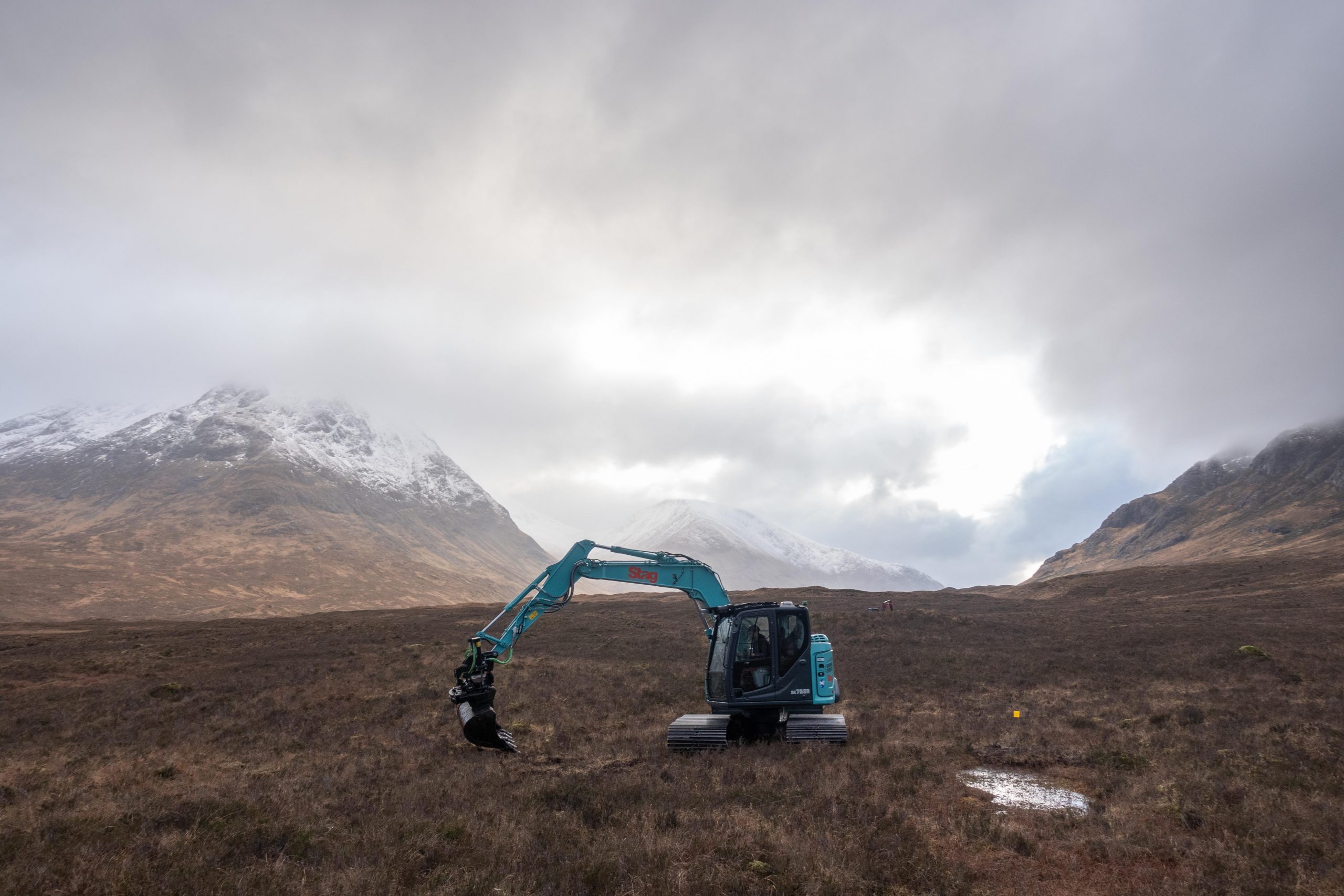
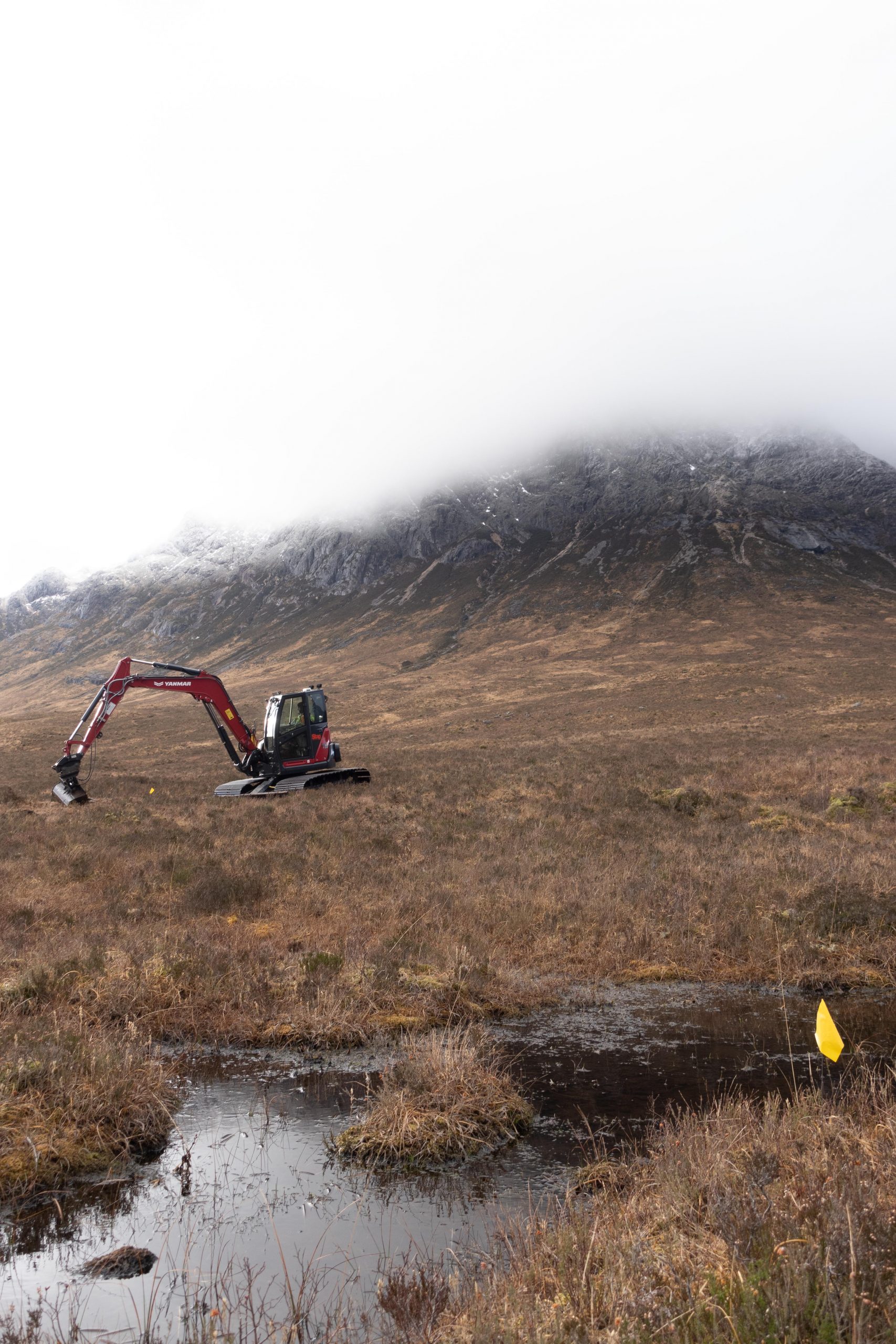
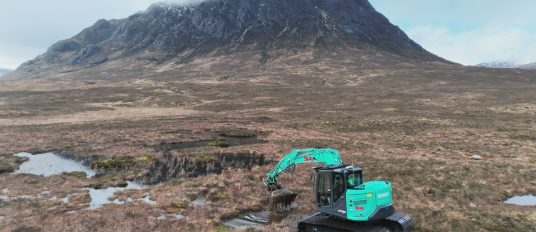
Working in these environments requires extreme care to avoid damaging the surrounding bog and flora. To achieve this, we utilised our specialist 8ton LPG (Low Ground Pressure) excavators. These machines allowed us to navigate and operate within these highly sensitive habitats with minimal ground pressure ensuring the landscape remained undisturbed while we completed the vital earthworks.
Working closely with ecological guidelines, our operators carried out specific habitat engineering designed to make the bogs more resilient to dry weather:
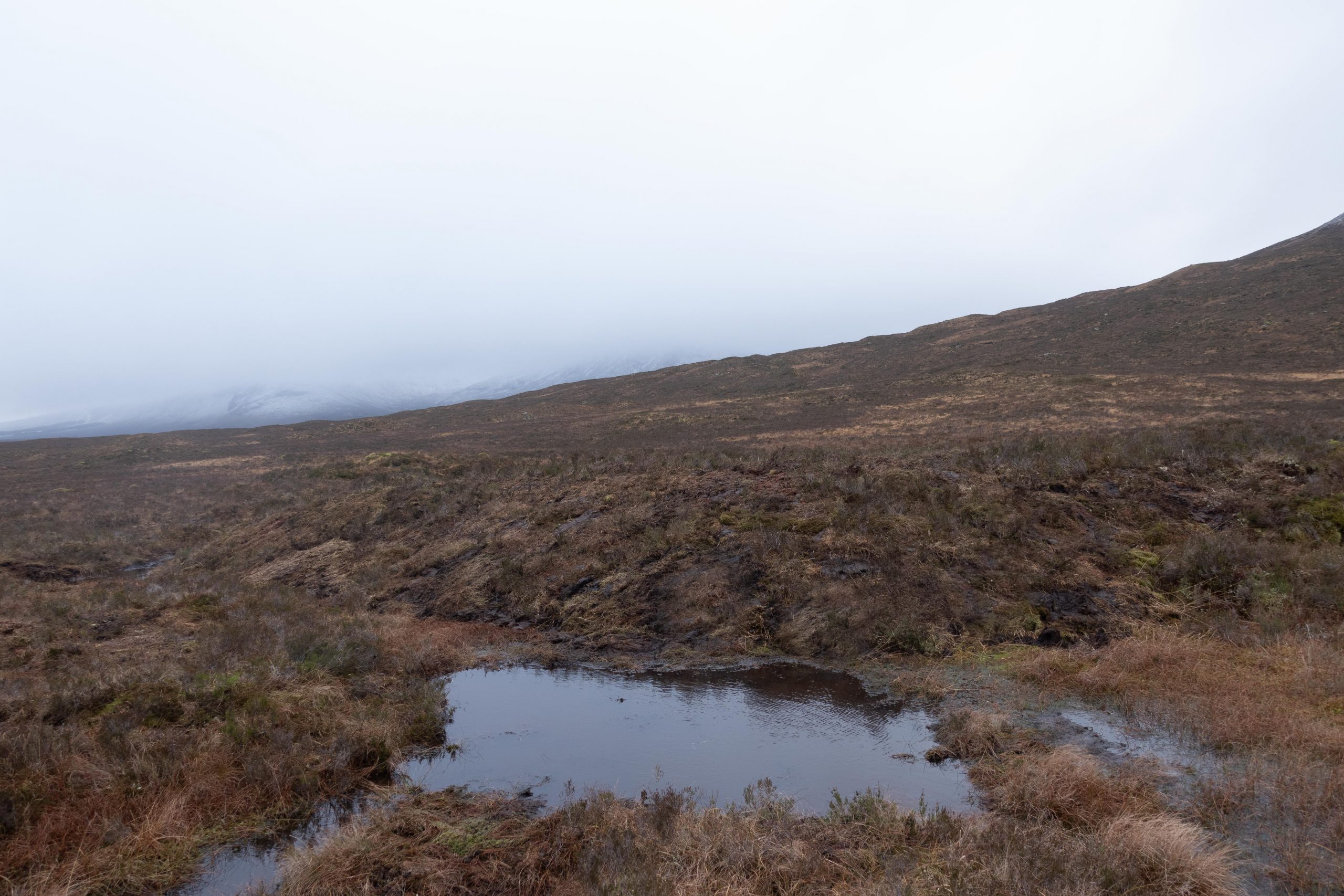
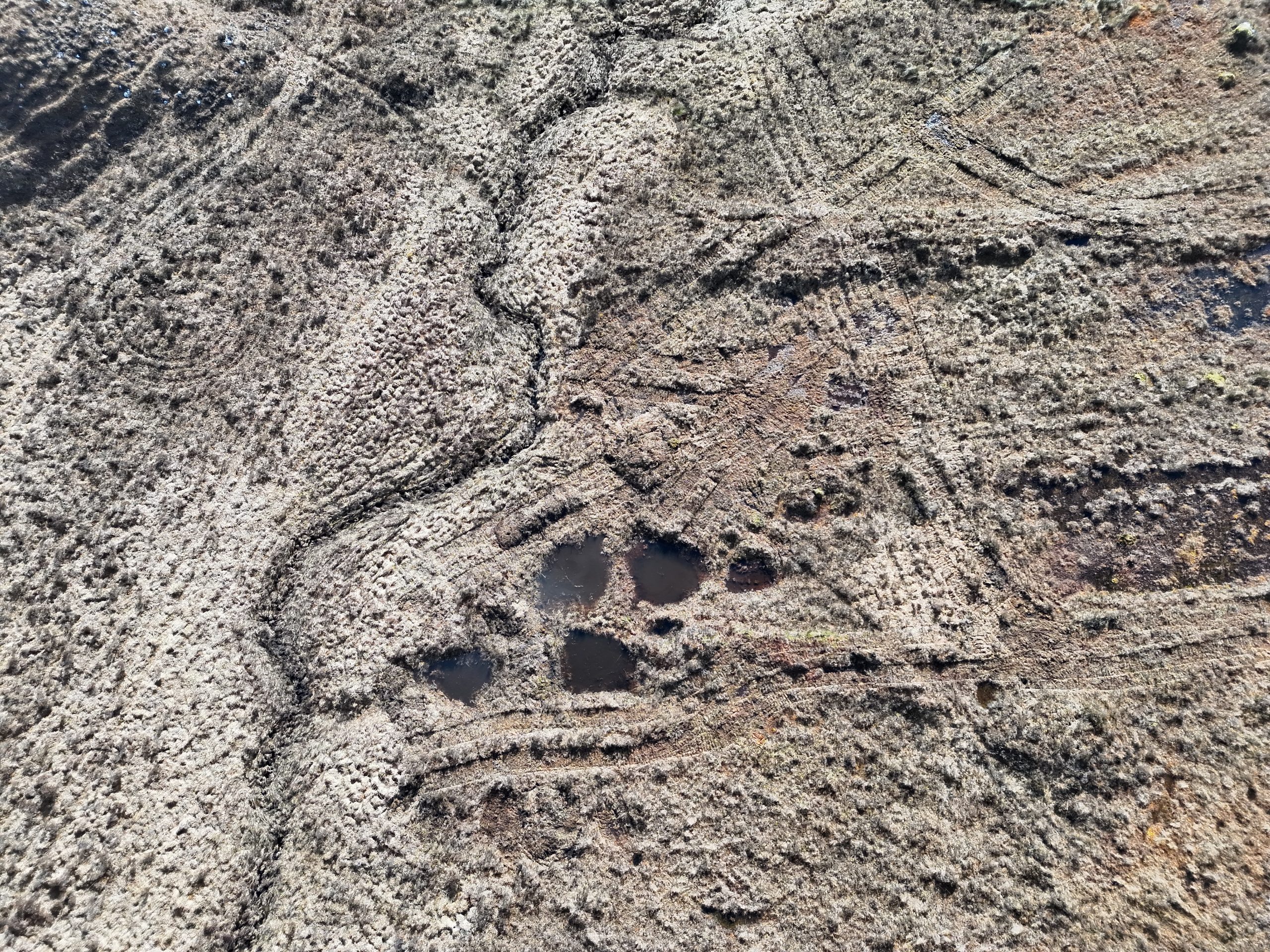
- Pool Deepening: We excavated deeper sections within the existing pools. This ensures that even during extended periods of summer drought, a permanent refuge of water remains for the larvae.
- Peat Damming and Bunding: We constructed small peat dams and bunds to stem natural outflows. This holds the water back, slows its escape, and successfully rewets the surrounding areas.
- Vegetation Management: Floating mats of surface vegetation were carefully removed to reveal the open water that these species need to thrive, with the excavated material repurposed to cover and stabilize the new dams.
It’s incredibly rewarding to see our specialist machinery and operators making a direct, positive impact on Scotland’s wildlife. Huge thanks to Emma and the British Dragonfly Society for having us on board!